About
Since you asked
I spend my days designing for security teams, ad operators, and HR admins. The kind of users whose jobs depend on tools they didn't get to pick. The software they use is dense, high-stakes, and hard to use. My job is to make it less of all three.
I've worked on teams of three and teams of three hundred. I've reported to founders and to VPs of marketing. I've built brand systems from scratch and rebuilt ones that hadn't been touched in years. What stays consistent: I care more about solving the right problem than just delivering the work, I work well across product and marketing, and I sweat the part of the work that ships.
Currently at Skydeo, designing for the messy middle of adtech. Before that: DoControl (security teams have thoughts about UI), and UKG, where I learned that HR software touches more lives than most consumer apps.
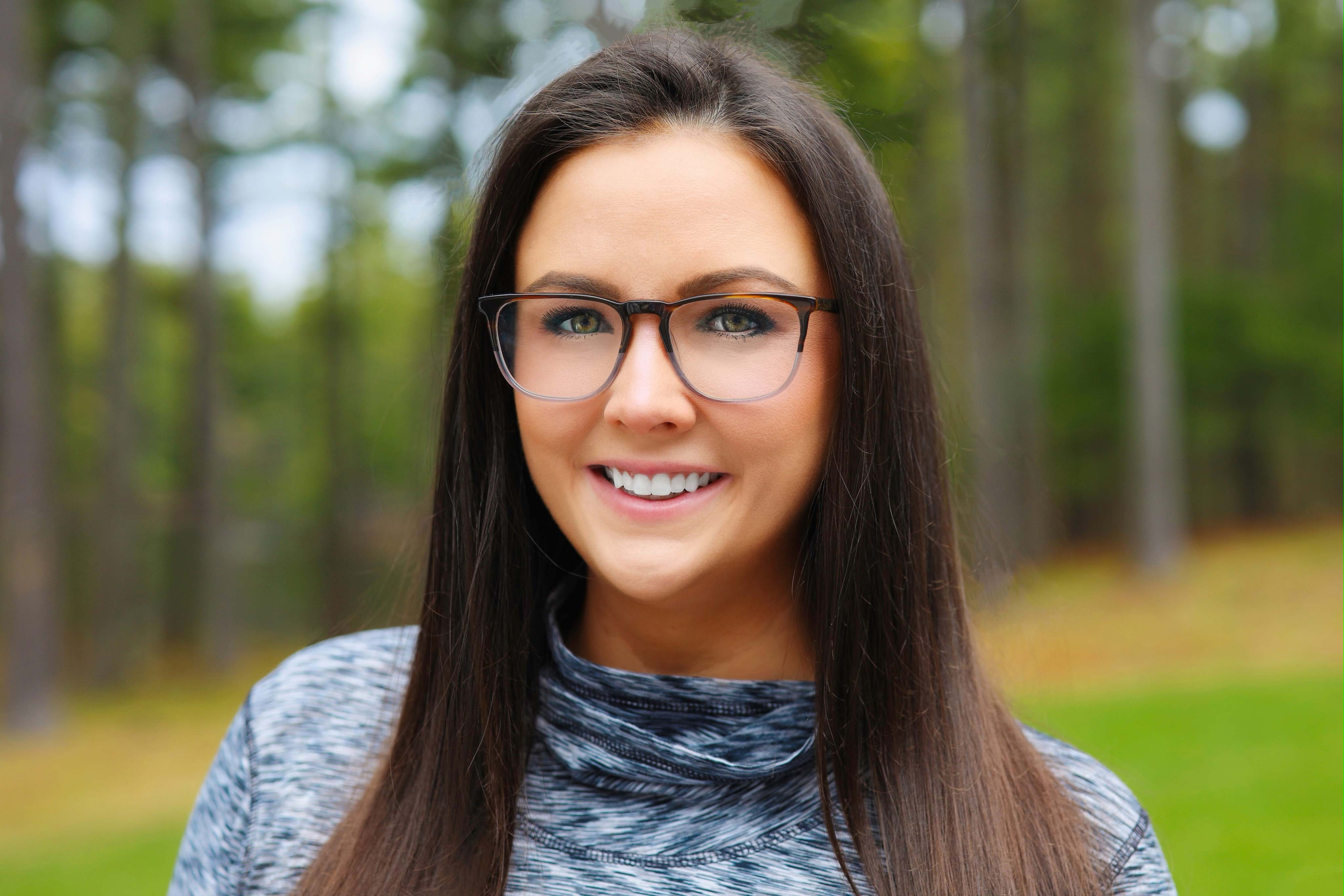
it's me
How I work
Brand and product belong in the same room.
For too long, brand teams and product teams have lived in different orgs, used different tools, and shipped different work. The result is product UIs that look nothing like the brand that sold them. I work across both because the seams are where users notice things are off, and because the best work happens when the same person is thinking about the marketing site, the onboarding flow, and the empty state.
same room, same brain.
enterprise users
are humans too.
B2B doesn't have to look like B2B.
Enterprise software gets a pass on being ugly because the buyer isn't always the user. I don't think that's an excuse. The people stuck using these tools every day deserve the same craft as the apps they open on weekends. Most don't get it. That's the opportunity.
Numbers are design feedback.
"It looks great" is half a sentence. The other half is "and it performed." I treat engagement, retention, and click-through as feedback the same way I treat user interviews and stakeholder reviews. When the numbers move, the work landed. When they don't, I have more work to do. The taste-versus-metrics fight is fake. Good design does both.
design that doesn't
perform is decoration.
details build trust.
The details are the work.
The empty state nobody scoped. The error message that isn't actively hostile. The button that lands in the right place on mobile. None of these are glamorous. All of them are the difference between software people tolerate and software people trust. Most of my hours go here, and most of the difference users feel comes from here.
The receipts
Timeline

DoControl
Lead Multimedia Designer at a SaaS cybersecurity startup. Owned all creative and web for a company in one of the most acronym-heavy categories in tech. Ran UX research and shipped site changes that lifted unique visitors and time-on-site quarter over quarter. Also designed every trade-show booth, which taught me more about what makes someone stop walking than any UX class did.
May 2022 - Oct 2023

Kronos // UKG
Promoted twice in four years, from IT temp to Corporate Comms Specialist to Graphic Designer II. Designed motion, presentations, web, and AR for enterprise teams. The numbers I'm proudest of: a 300% increase in paid-social lead generation and a 51% lift in click-through rates. HR software touches more lives than most consumer apps. It was a good place to learn what scale actually means.
May 2018 - May 2022

MGP
Five years running my own studio out of Los Angeles and Miami. Photographed Grammy Award–winning artists at live events across the US, designed interactive PR packages for artists and management, and ran the business end-to-end. The part of my career nobody expects to find on a creative director's resume, but it's where I learned to read a room, frame a story, and stay calm when the talent is late.
June 2013 - May 2018